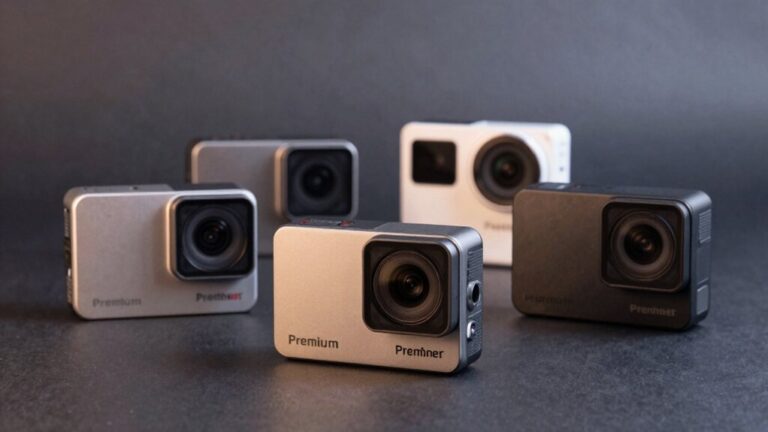

Most U.S. personal auto insurers don’t currently offer premium discounts for dash cams, though Branch Insurance provides an 8% discount for Nextbase users. However, you’ll benefit indirectly—dash cams reduce unsafe driving by 27% and exonerate drivers in 52% of fraudulent claims, helping you avoid premium hikes. Commercial fleets receive 5-20% discounts due to fleet-wide monitoring systems. As AI-powered technology evolves and proves safety benefits, more carriers are expected to introduce discounts. Understanding how dash cams protect your rates and strengthen claims will help you maximize your insurance savings.
The Current State of Dash Cam Insurance Discounts for Personal Vehicles
While dash cams have become increasingly popular safety tools for American drivers, the insurance industry hasn’t yet embraced them with widespread premium discounts for personal vehicles. Currently, almost no U.S. personal auto insurers offer direct discounts for dash cam installation. Branch Insurance, a small Ohio-based startup, stands as the exception, providing an 8% discount for Nextbase users. This reluctance stems from a fundamental reality: installing a dash cam doesn’t inherently reduce your accident risk. However, insurance trends are shifting toward telematics programs that monitor actual driving behavior rather than rewarding equipment alone. Your dash cam’s real value lies in preventing liability increases after accidents by providing essential evidence, helping you maintain the clean driving record that qualifies you for good driver discounts over time. Dash cams act as an impartial eyewitness during accidents, capturing objective video evidence that can refute staged accidents and false claims while protecting you from fraudulent allegations. Beyond accident documentation, dash cams with parking mode can enhance vehicle security by continuing to record even when your car is unattended. For commercial fleets, AI-powered dash cams combined with telematics have demonstrated measurable success in lowering insurance premiums and reducing claims. Modern dash cams with AI capabilities can detect distracted driving and trigger alerts to help prevent accidents before they occur. Thanks to loop recording, dash cams maintain uninterrupted surveillance by automatically overwriting old footage when the memory card fills, ensuring continuous protection throughout every drive without manual file management. Advanced models also include features like GPS tracking and Wi-Fi connectivity that enable detailed trip documentation and easy video transfer to mobile devices.
How Dash Cams Reduce Accident Costs and Prevent Fraudulent Claims
Though dash cams don’t directly prevent collisions, they deliver substantial financial benefits by transforming driver behavior and protecting against fraudulent claims. When you’re aware of being recorded, unsafe driving events drop by 27%, reducing your exposure to accident costs. The technology proves especially valuable in fraud prevention—dash cam footage exonerates drivers in 52% of insurance claims, helping you avoid unnecessary payouts from staged accidents that contribute to the $40 billion annual insurance fraud problem.
Your video evidence strengthens legal defenses by clearly establishing fault, reducing litigation risks by up to 45%. This documented protection translates to tangible savings: fleets report 60% fewer incidents when combining cameras with feedback programs, while average claim values decrease by 41% with dash cam implementation. The footage captures traffic violations like running red lights, illegal turns, and reckless behavior that help demonstrate the other driver’s fault in both insurance claims and court proceedings. Dash cam footage reduces reliance on eyewitness testimony and police reports, making claims fairer and often quicker to resolve. Advanced dash cams with telematics and AI can track dangerous driving patterns such as speeding, hard braking, and distracted driving, providing actionable feedback that encourages safer practices. Research demonstrates that targeted intervention with high-risk drivers using video footage can reduce fatal crashes by up to 20% and injury crashes by 35%. Beyond immediate accident costs, vehicle crash costs can be reduced by 86% when factoring in the direct expenses of repairs and the less visible indirect costs that affect operations, legal departments, and brand reputation. In hit-and-run cases, dash cams capture critical details such as license plates and vehicle descriptions that help law enforcement identify fleeing drivers and support your insurance claim.
Indirect Insurance Savings: Avoiding Premium Hikes and Proving Non-Fault
Beyond the immediate financial protection dash cams provide through fraud prevention and claim reduction, these devices deliver lasting value by protecting your insurance premiums from costly increases. When you’re involved in an accident, dash cam footage serves as irrefutable evidence to prove you weren’t at fault. This documentation prevents insurers from wrongly assigning liability—a mistake that typically triggers significant premium hikes.
The dash cam benefits extend beyond single incidents. Twenty percent of dash cam owners have successfully used their footage in insurance claims to establish non-fault status. By maintaining a clean driving record free from at-fault accidents, you’ll preserve your eligibility for good driver discounts and avoid the insurance premium impact that follows liability determinations. Your recorded evidence expedites dispute resolution, reducing legal costs while safeguarding your rates. The time-stamped evidence from your dash cam provides objective documentation that is particularly valuable when liability is disputed. Modern dash cams use loop recording to ensure continuous footage capture, automatically overwriting old files when storage is full so you never miss critical moments. While you’re generally not required to proactively disclose your dash cam to your insurer, once a claim is filed, insurers can request the footage during the claims process, and refusing to share relevant video could harm your case. For maximum protection, consider a dual channel dash cam that captures both front and rear views simultaneously, providing comprehensive coverage of incidents from all angles. Top-rated models like the Viofo A329 offer excellent 4K front and 2K rear video quality with strong low-light performance and reliable license plate capture. With the average non-injury collision costing approximately 46,765 dollars, preventing even one wrongful at-fault determination delivers substantial financial protection.
Commercial Fleet vs. Personal Auto: Why Discount Availability Differs
When comparing insurance markets, commercial fleet operators consistently secure more substantial dash cam discounts than personal auto policyholders—typically 5% to 20% off annual premiums compared to the 10-15% occasionally available to individual drivers. This disparity stems from how insurers assess risk. Commercial policies reward fleet-wide monitoring systems that integrate AI-enabled dash cams with telematics, providing continuous safety scoring and driver behavior data. These dash cam benefits directly reduce accidents and fraudulent claims, prompting insurers to offer commercial discounts—sometimes reaching 30% total cost reductions. Fleet operators also benefit from driver scorecards that enable coaching safer driving techniques, further reducing insurance claims over time.
Personal auto insurers, however, rely on traditional risk factors with minimal video evidence integration. Your standalone dash cam lacks the sophisticated connectivity and AI features that justify higher commercial discounts, making substantial savings less accessible for individual policyholders. Budget-friendly consumer models like the Rexing DT2 offer dual channel recording and parking monitoring but don’t typically include the telematics integration insurers value for premium reductions.
Future Trends: Will More Insurers Offer Dash Cam Discounts?
You’ll likely see more carriers following UK insurers’ lead as future technology integrates AI-powered incident analysis and telematics connectivity. These advancements enable real-time verification of safe driving behavior, creating data-driven discount models that benefit both you and your insurer.
Consumer preferences increasingly demand technology-based incentives, pressuring carriers to remain competitive. As regulatory frameworks standardize dash cam requirements and legal systems validate footage reliability, insurers gain confidence in offering premium reductions. The presence of dash cams also promotes driver accountability, as individuals tend to curb reckless and aggressive behaviors knowing they are being recorded. Research from commercial fleets demonstrates that dash cams can achieve up to a 49% decrease in crash rates, supporting the business case for insurance discounts. Expect discounts ranging from 5% to 15% to become mainstream within the next three to five years, particularly as dual-channel cameras with tamper-proof storage demonstrate consistent claim cost savings. Industry trends indicate increased acceptance of dash cams as insurers become more aware of their safety benefits and fraud prevention capabilities. Modern options like the Fitcam X 4K dash cam offer features such as app connectivity and discreet design that make adoption easier for drivers seeking insurance benefits. Affordable devices with GPS tracking capabilities can log driving routes and speed, providing insurers with additional verification data that supports discount eligibility. Top-rated models with 4K dual-channel recording deliver superior video clarity that strengthens claim documentation and accelerates the verification process.