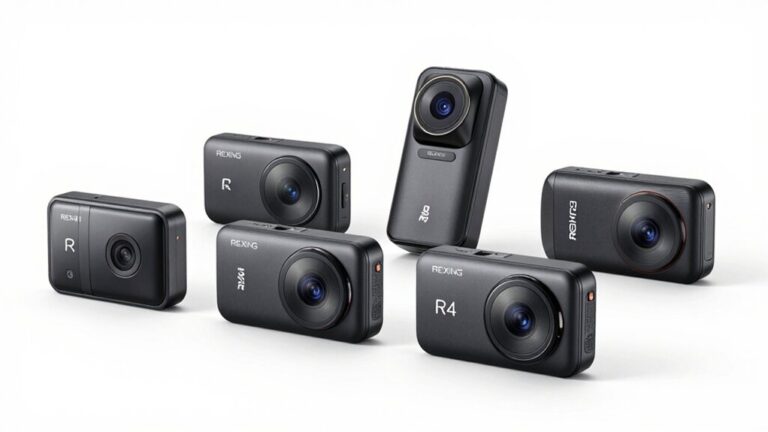

Dash cams provide modest deterrence against break-ins, with their visible presence increasing a thief’s perceived risk of identification by approximately 40-60% according to surveillance effectiveness studies. However, they can’t physically prevent break-ins and may actually attract theft in high-crime areas if conspicuous models are used. You’ll maximize protection by combining discreet, screenless dash cams with parking mode features, strategic placement in well-lit areas, and layered security measures like factory alarms. The sections below explore how specific features and installation strategies greatly impact your vehicle’s actual security outcomes.
How Dash Cams Function as Vehicle Security Tools
Dash cams function as thorough vehicle security tools by integrating multiple detection technologies and automated response systems that extend protection beyond active driving periods. When your vehicle’s parked, G-sensors and motion detectors trigger recordings upon impact or nearby movement, capturing break-in attempts in real-time. Advanced models employ AI algorithms to filter irrelevant triggers, ensuring you receive incident alerts only for credible threats. Cloud storage capabilities preserve evidence securely, protecting footage even if thieves destroy or steal the dash cam itself. You’ll access live feeds and recorded data remotely via smartphone applications, enabling immediate intervention when suspicious activity’s detected. Night vision technology and microwave radar enhance surveillance effectiveness in low-light conditions, while GPS integration provides location context essential for thorough incident documentation and investigation. Hardwired dash cams maintain recording functionality using constant power sources even when the engine is off, providing uninterrupted surveillance for vehicles parked in crowded areas or on the street overnight. The continuous monitoring capability serves as a deterrent to theft and hit-and-run incidents by making potential criminals aware their actions are being recorded. Emergency recording features automatically lock video files to prevent overwriting through loop recording, ensuring critical evidence from break-in incidents remains preserved in memory. Regular SD card formatting helps maintain optimal recording performance and prevents data corruption that could compromise critical security footage during break-in attempts. Compact models with built-in polarizing lens technology reduce windshield glare while maintaining discreet profiles that don’t advertise their presence to potential thieves. Implementing data management policies for dash cam footage ensures proper storage, access controls, and scheduled deletion of recordings to protect personal information while maintaining evidence integrity.
The Reality of Dash Cam Theft and Vulnerability
Your vulnerability increases considerably when parking in unlit, isolated locations or high-crime neighborhoods. Extended vehicle abandonment periods compound this risk, particularly during summer months when break-in incidents spike. Thieves specifically target visible mounting hardware and screen-equipped models, which signal both value and ease of removal. Discreet, screenless designs like the BlackVue DR770X Box mitigate this exposure through minimal external profiles, reducing theft temptation while maintaining surveillance capabilities. The compact and space-saving installation of screenless models makes them nearly invisible to potential thieves scanning vehicle interiors. Dash cams with built-in G-sensors can automatically protect collision footage, though their visible presence may still attract unwanted attention from opportunistic criminals. When impacts or sudden motion changes occur, the G-sensor automatically locks the current video file to prevent it from being overwritten during loop recording. Models equipped with supercapacitors rather than traditional batteries offer enhanced durability in extreme vehicle temperatures while reducing fire risks, though they typically require hardwired installation to maintain continuous operation. Premium models featuring dual front and rear channels provide comprehensive coverage of your vehicle’s surroundings, capturing incidents that occur behind your car as well as in front. Advanced features like GPS tracking enable location verification and speed monitoring, which can prove invaluable when reviewing recorded incidents or providing evidence to authorities.
Comparing Dash Cams to Other Anti-Theft Methods
When evaluating vehicle security investments, dash cams deliver superior cost-effectiveness compared to traditional alarm systems. You’ll benefit from plug-and-play installation without professional fees, while traditional security requires expensive technical expertise. Dash cam advantages extend beyond cost—you’re getting GPS tracking, speed monitoring, and time-stamped video evidence in one device, whereas alarms only emit deterrent sounds without recording capabilities.
The 24/7 surveillance with parking mode detection captures break-in attempts and vandalism, providing critical evidence for prosecution and insurance claims. Night vision functionality guarantees round-the-clock protection. You’ll also access insurance discounts and fraud prevention benefits that traditional security systems can’t offer. While most insurers don’t provide direct discounts for dash cam installation, the footage helps protect your driving record by proving you weren’t at fault in accidents. Claims that included dash cam footage increased by 245% by Q4 2017, demonstrating their effectiveness in supporting vehicle security incidents. Dash cams function as an impartial eyewitness, delivering objective video documentation that can refute false claims and ensure accurate assessment of incidents by insurers and law enforcement. Modern models with 2K or 4K footage provide superior clarity for capturing license plates and identifying perpetrators during nighttime break-in attempts. To maintain optimal performance, consider strategic placement options like positioning your dash cam behind the rearview mirror to reduce exposure to direct sunlight and minimize overheating risks. For reliable continuous recording, select a 64GB high endurance SD card with minimum sustained write speeds of 30MB/s to prevent data corruption during extended surveillance sessions. For thorough protection, combine dash cams with physical deterrents—this layered approach maximizes both deterrence effectiveness and evidential value for law enforcement response.
Real-World Evidence: Do Visible Cameras Stop Thieves?
While cost-effectiveness and feature comparisons provide valuable context for security investments, empirical data reveals whether visible cameras actually influence criminal behavior. Approximately 16% of drivers utilize dash cams as preventive measures against vehicle break-ins. Fleet studies demonstrate significant reductions in unsafe events when drivers know they’re recorded, suggesting deterrence behavior applies to theft psychology. However, extensive statistics specifically linking dash cams to reduced break-in rates remain limited—most data focuses on accident and fraud reduction in commercial applications.
Camera visibility directly impacts deterrent effectiveness. Conspicuous placement near windshields maximizes perceived surveillance risk, discouraging criminals who prefer unmonitored targets. Advanced dashcams with parking mode features activate recording upon motion or impact detection, raising perpetrator risk by documenting suspicious activity. Parking mode with motion detection raises perpetrator risk by documenting suspicious activity. Models equipped with impact sensors can automatically capture footage when the vehicle is hit, providing crucial evidence for hit-and-run incidents. Time lapse recording compresses extended parking surveillance into shorter videos, allowing continuous monitoring without rapidly filling the memory card during long periods. While anecdotal evidence suggests dash cam theft occurs, it doesn’t outweigh security benefits. Commercial fleets have reported that 70% of fleet managers observe improved behavior and reduced risk when implementing video monitoring systems. Research demonstrates that video footage from dash cams enables targeted intervention with high-risk individuals, correcting unsafe behaviors through accountability. Beyond theft prevention, dash cams have demonstrated crash rate reductions of up to 49% in commercial fleets through behavior modification and real-time feedback. Combining visible cameras with supplementary measures—alarms, security stickers, strategic parking—creates layered defense systems that exploit theft psychology more effectively.
Maximizing Protection Through Smart Dash Cam Use
Although dash cams provide documented deterrent effects, their protective capabilities depend heavily on strategic model selection and deployment practices. You’ll maximize protection by choosing smaller, inconspicuous units with dark casings that blend into your vehicle’s interior, reducing theft attractiveness. Prioritize dash cam features like parking mode, G-sensors, and anti-theft alarms that detect tampering and trigger loud alerts. GPS tracking increases recovery chances, further discouraging theft.
For installation tips, position your device where it’s visible yet difficult to reach, and park in well-lit, high-traffic areas. Combine your dash cam with complementary security measures—factory alarms, window security films, and home surveillance cameras. Lock your vehicle consistently and remove visible valuables. Advanced models like the Nextbase iQ offer smart motion alerts and live remote monitoring capabilities that notify you of suspicious activity around your parked vehicle. This integrated approach creates layered protection that significantly reduces break-in risk while preserving forensic evidence for insurance claims. With 20% of dash cam owners having utilized footage for insurance claims, this documentation proves invaluable when filing reports following vehicle break-ins or vandalism incidents. If you need to submit dash cam footage as evidence, maintain a clear chain of custody to ensure the recording is properly authenticated and admissible in legal proceedings. When reviewing your dash cam footage, be mindful that audio recording laws vary by jurisdiction and may affect how you can legally use the evidence. Modern options like models with impact-triggered parking surveillance provide enhanced security by automatically recording when your vehicle experiences suspicious activity while parked. Consider maintaining your device properly, as rechargeable lithium polymer batteries can be replaced if your dash cam stops holding a charge, ensuring continuous protection of your vehicle.